INDIA
“He who has no attachments can really love others, for his love is pure and divine.” Indian Proverb
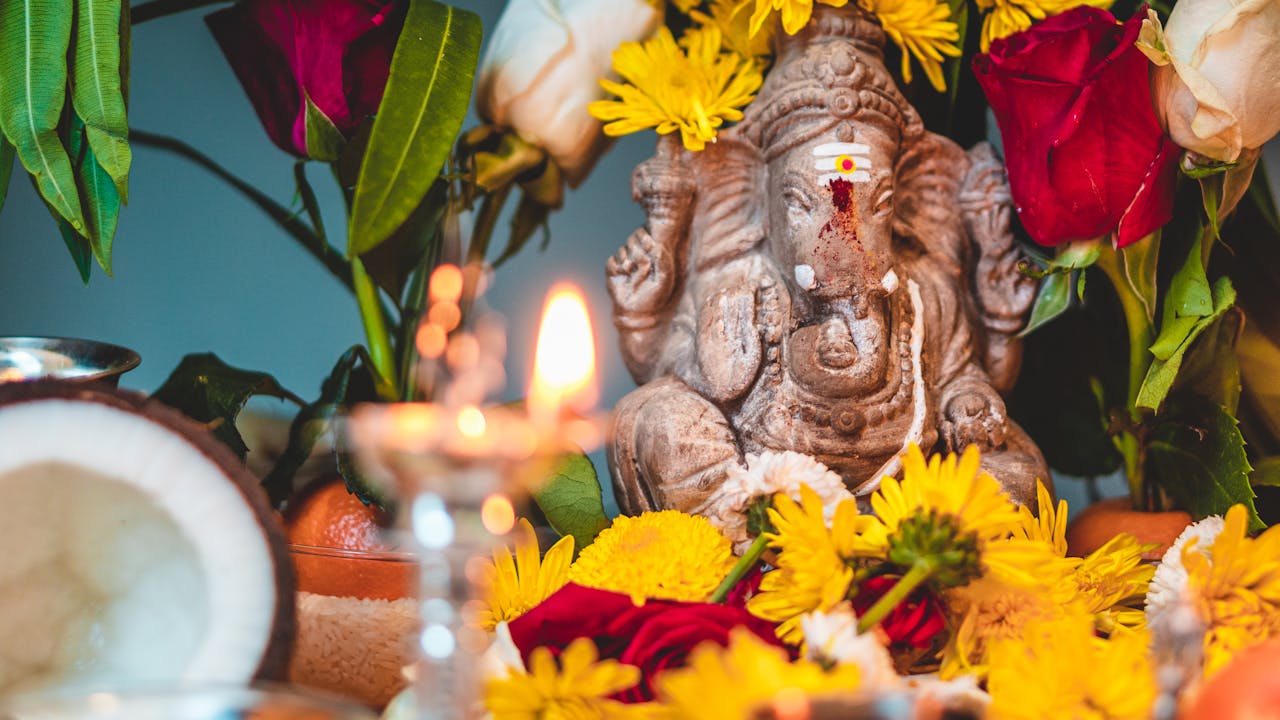
A land of spirit, wisdom, extremes, and vibrancy, India carries the soul of the World. Altars (pooja mandirs) are woven into the very fabric of this wondrous country. From gods and goddesses to incense, ghee lanterns, spiritual gurus and ancient texts, shrines and altars in India are used daily to invite divine energy and foster devotion (bhakti).
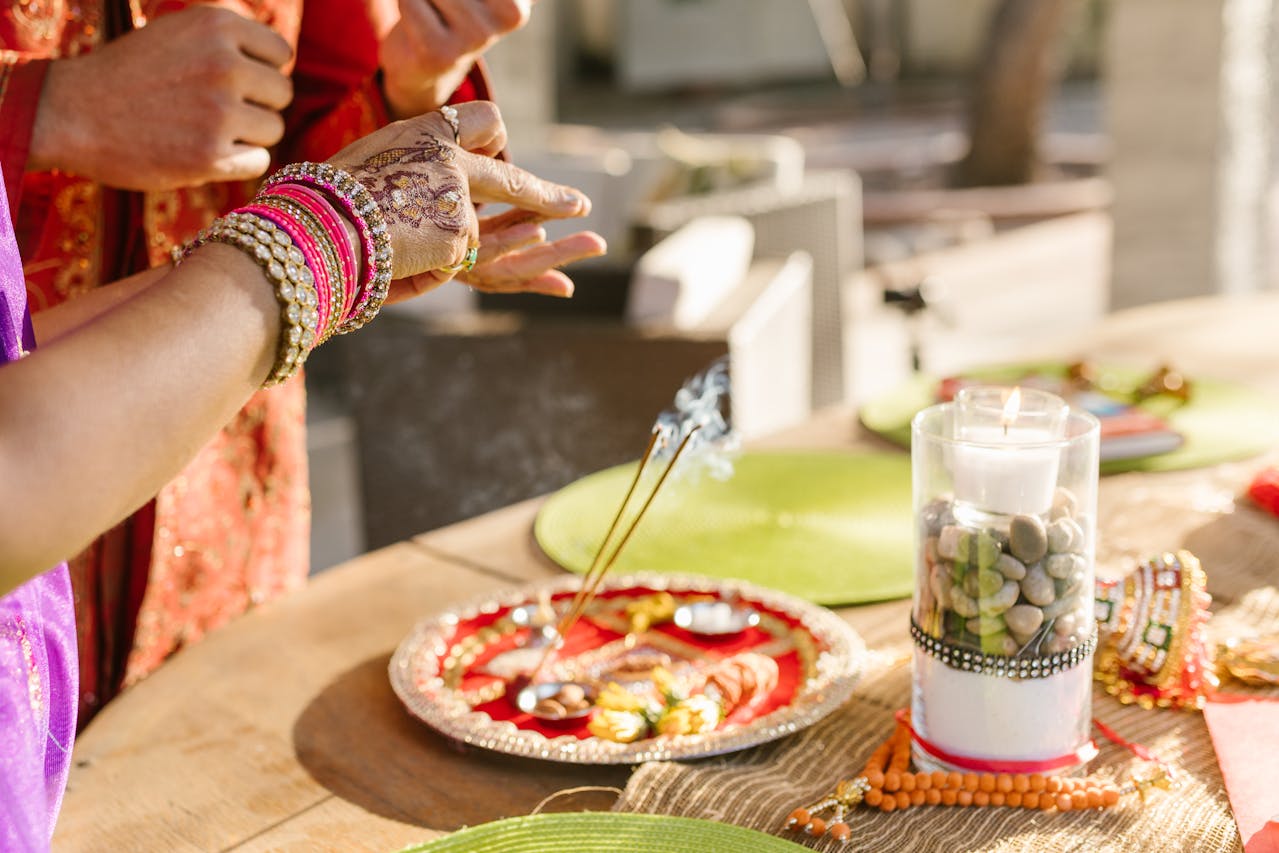
Indian altars are built around statues or pictures of deities, adorned with garlands, oil lamps (diyas), offering plates (pooja thali) and altar cloths (vastra), spiced up with incense (agarbatti), sacred pastes and powders, and colour to attract positive energy.

GODS AND GODDESSES
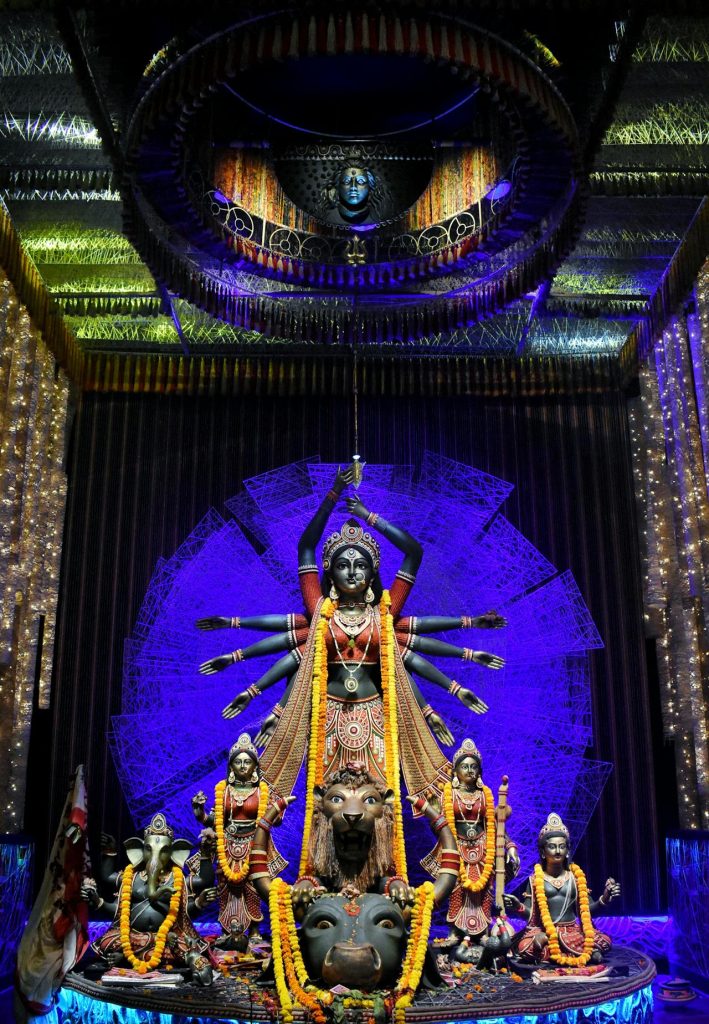
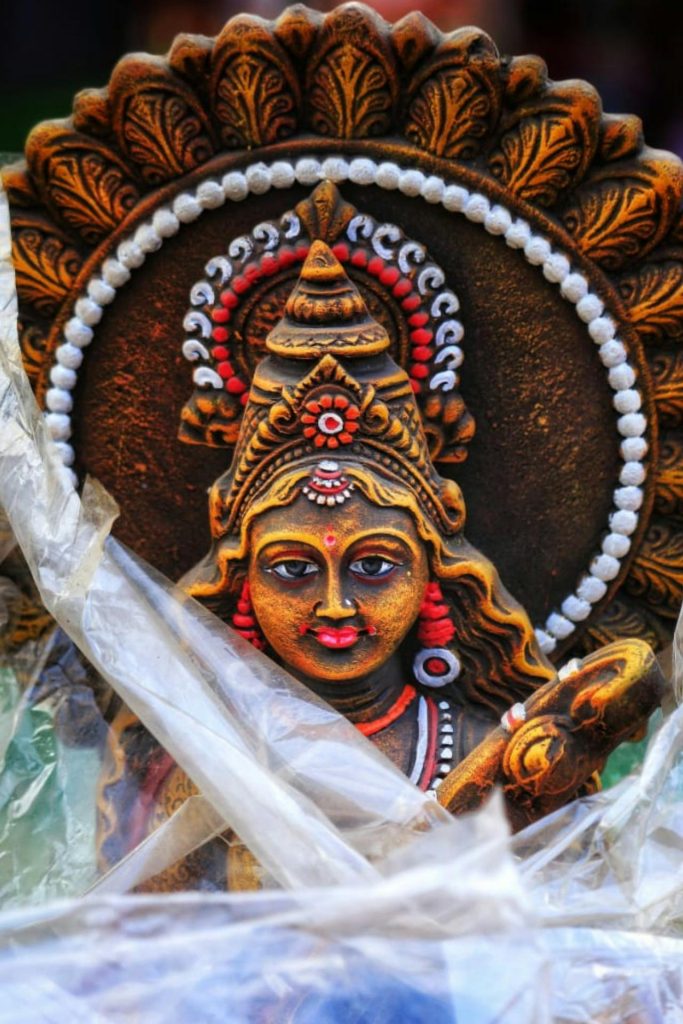
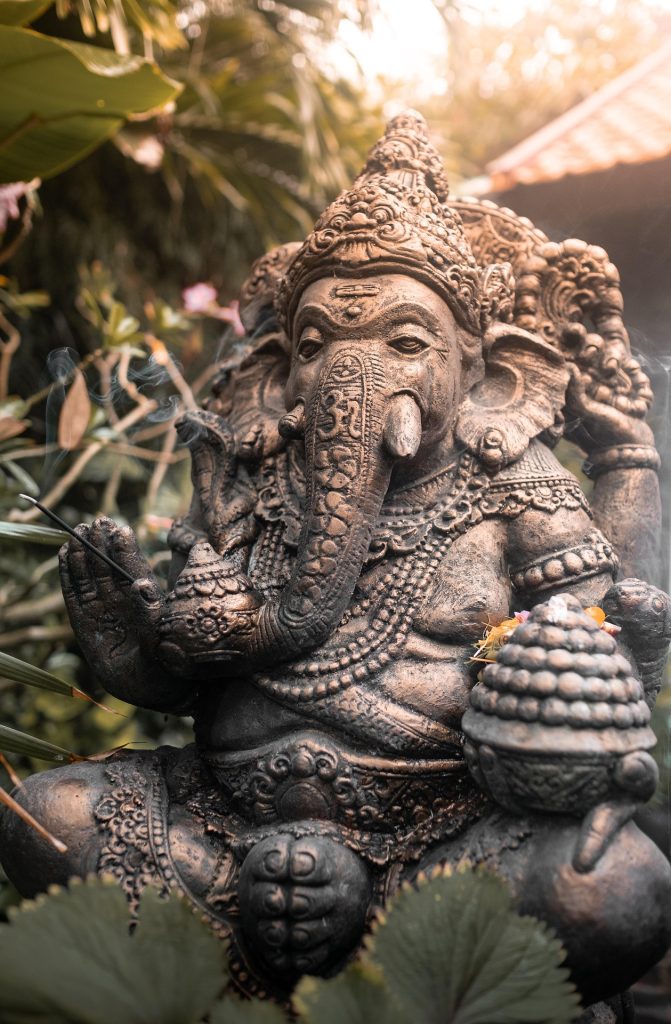
The corner stone of an Indian altar, some of the more common deities include:
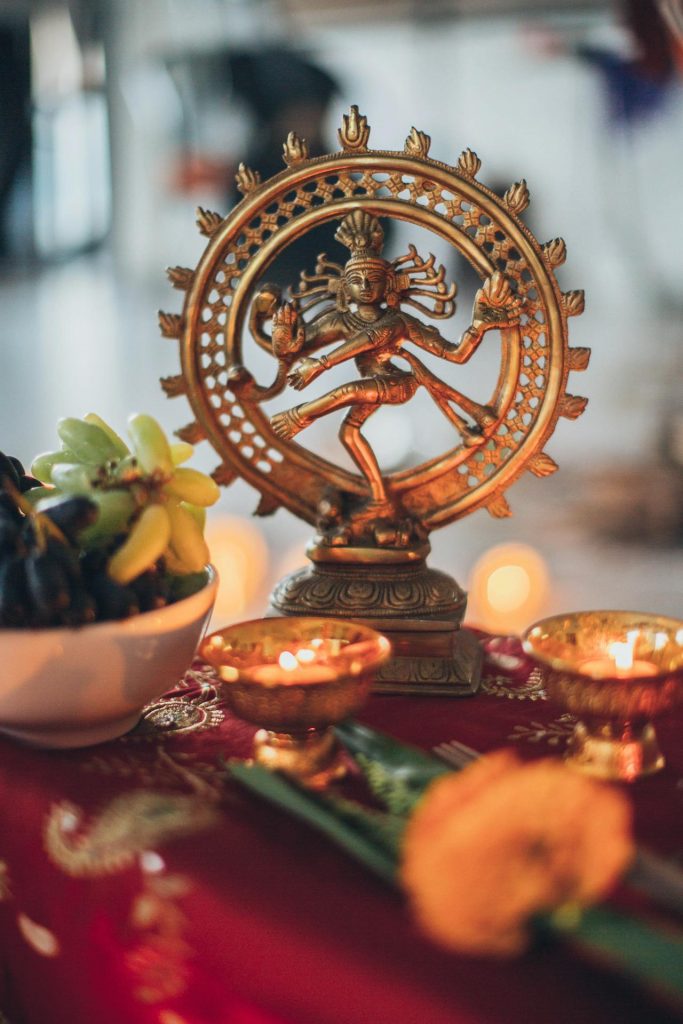
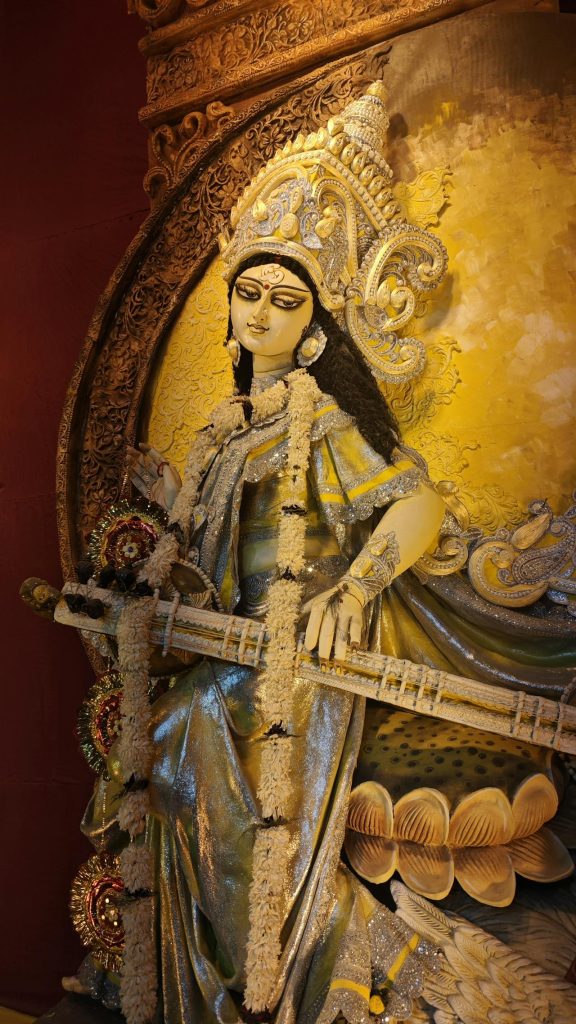
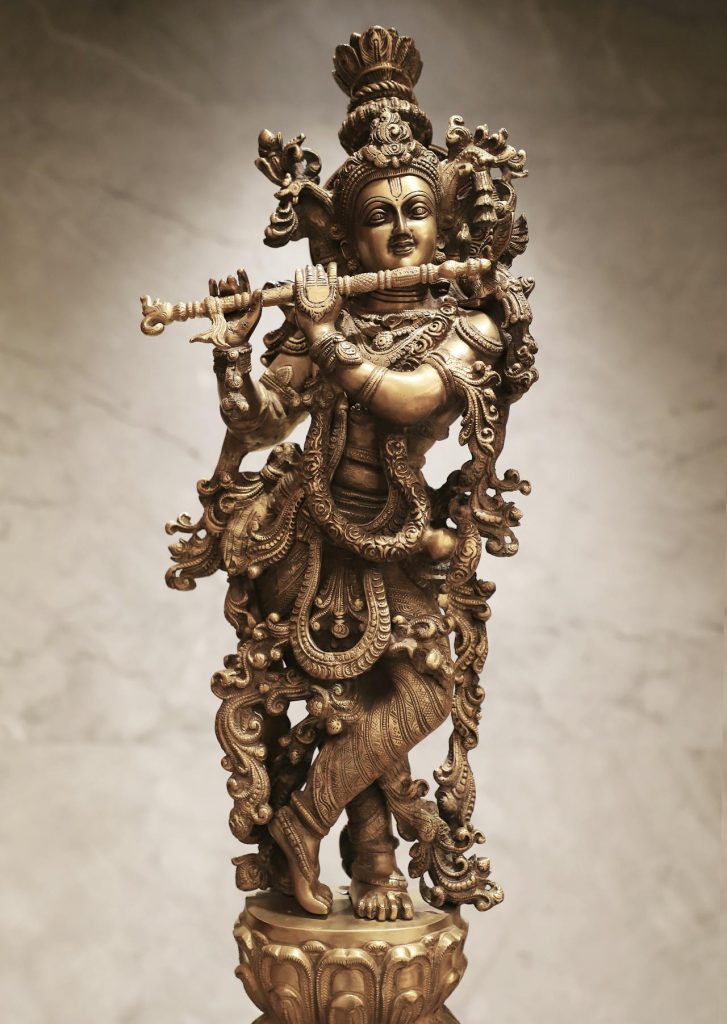
INDIAN ARTS AND CRAFTS
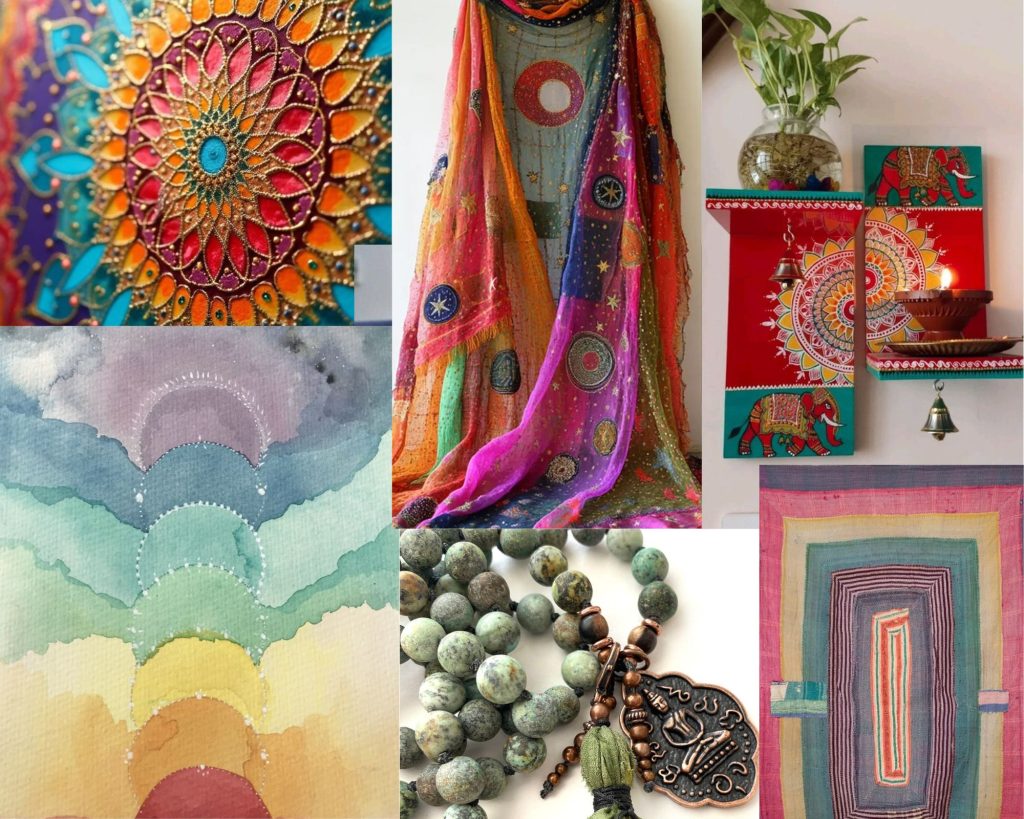
Mandalas, colourful kantha blankets, chakra / deity paintings, mala beads, meditation cushions (zafus), robes, diyas, spiritual quotes and vision boards, Indian altars provide a wide space to express your devotion and purpose.
INSPIRATION FOR BUILDING AN INDIAN ALTAR
1/ The Altar – Indian mandirs come in different shapes and sizes, from large ornate temples that have a dedicated room in the house, to smaller cabinets and chests, or even low tables. They should ideally be located on the ground floor of a property, in the north-east location, on a west wall (facing east). If you don’t want to buy a mandir, you can easily use a chest or adapt an orange box, or even use shelves. Create a space that inspires devotion, that makes you feel calm and inspired and uplifted.
2/ Altar Cloths – make the area beautiful with a colourful altar cloth or shawl, colours that lift your spirit, make you feel serene and centred. Deities and offerings should ideally sit on a clean cloth. Keep your altar free from items that don’t belong there – it’s a sacred space, somewhere that should inspire divinity.
3/ Elements – choose items that mean something to you or embody your spiritual practice. Common elements include statues or paintings of deities (see the list above, choose a god or goddess that speaks to you). Incense, candles and diyas (oil lamps). Bowls of water, pastes and powders (like sandalwood paste, or haldi), palo santo. Spiritual texts and quotes. Singing bowls, bells and tingshas. Make sure that the space is kept clean and is not cluttered. Keep a journal and pen close by, a meditation cushion, a shawl or robe, a blanket for cold days.
4/ Offerings – these can include fresh flowers and garlands, fruit, fire and water.
5/ Puja / ritual – bathe, set your intention in front of the altar, then light candles or a lamp, incense, sprinkle water around the deity, then adorn it with flowers and offerings. Chant, read from sacred texts, offer prayers and set intentions. **Never blow out a flame**
“Whatever I am offered in devotion with a pure heart – a leaf, a flower, fruit, or water – I accept with joy.” Sri Krishna, Bhagavad Gita
CREATIVE IDEAS
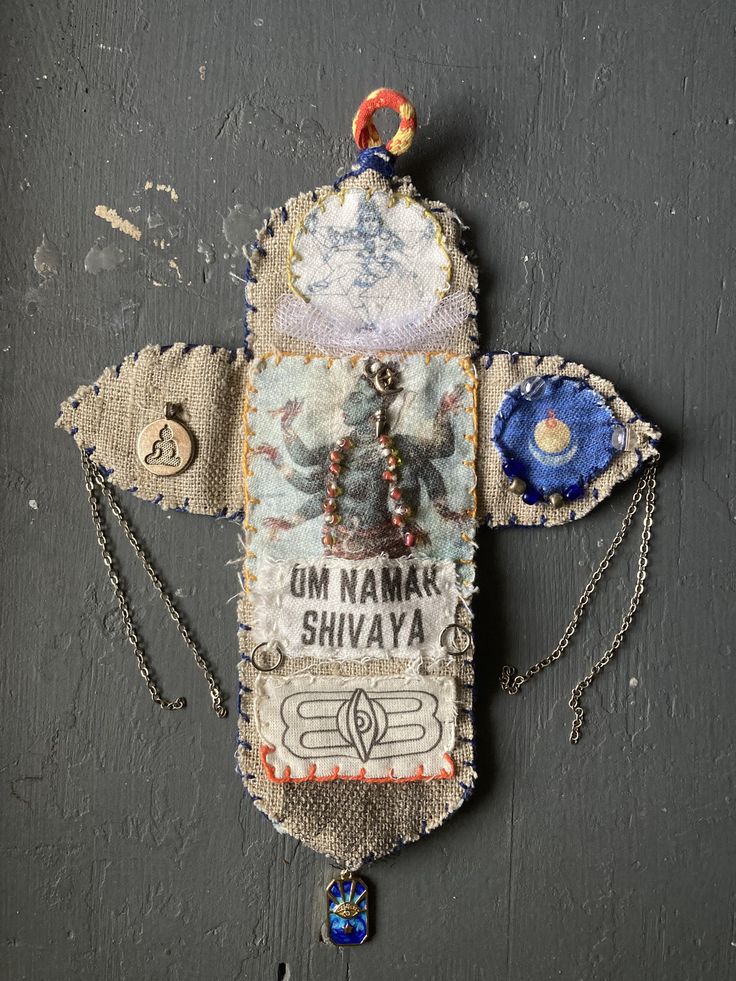
Portable Pouch Altar
Cut a cross out of hessian or another strong fabric, and roughly tack on images printed or painted onto fabric (or use photos, laminated if you like). Sew on charms and talismans, and blanket stitch around the outside of the cross. Fashion a hoop out of thread at the top and a charm at the bottom – fold the pouch in and secure by placing the charm through the hoop.
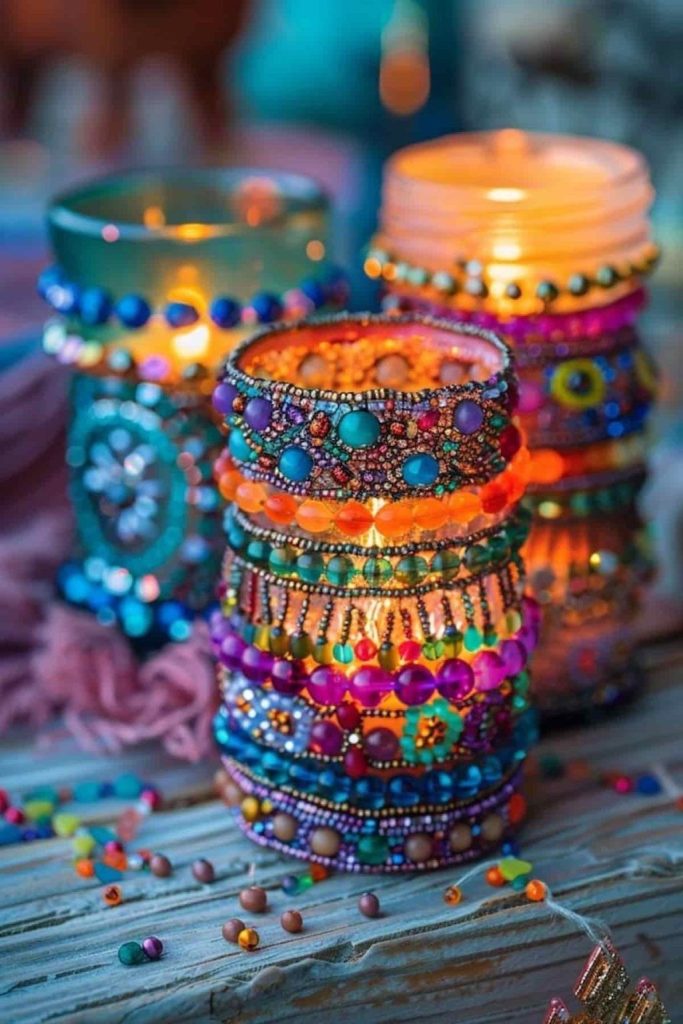
Jars
Use glass paint on a sizeable jar, then glue charms and beads onto it. Fill the base with sand and place inside an appropriately sized candle.
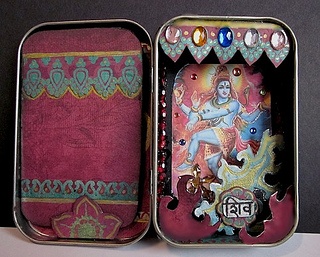
Portable Shrine
Use a tobacco tin or a sardine tin – clean it and sand away any sharp edges. Glue onto the tin vintage Indian prints, pictures of deities, charms, beads, quotes.