JAPAN
“Uogokoro areba mizugokoro” (魚心あれば水心)
“If the fish has feelings for the water, the water will respond in kind.”
Japanese Proverb
Most Japanese homes have an altar or shrine of some kind used for worship and ritual. They tend to fall into two categories, Shinto or Buddhist. Shinto is a nature-based spiritual tradition that emphasizes harmony with nature and honoring ancestors. It connects worshipers to spirits called kami which are believed to inhabit all things.
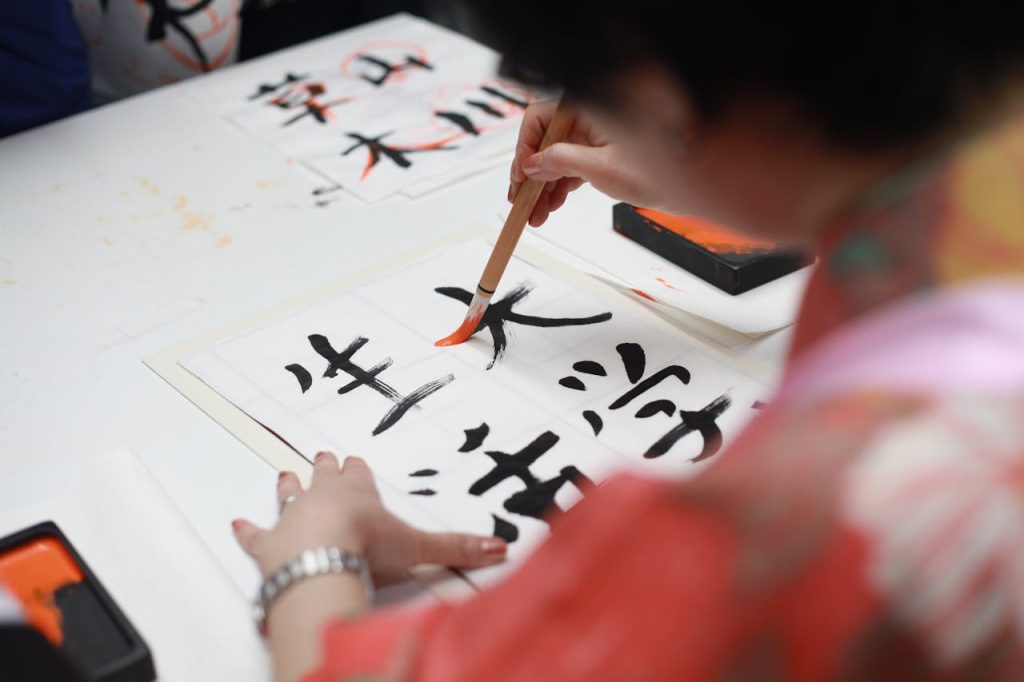
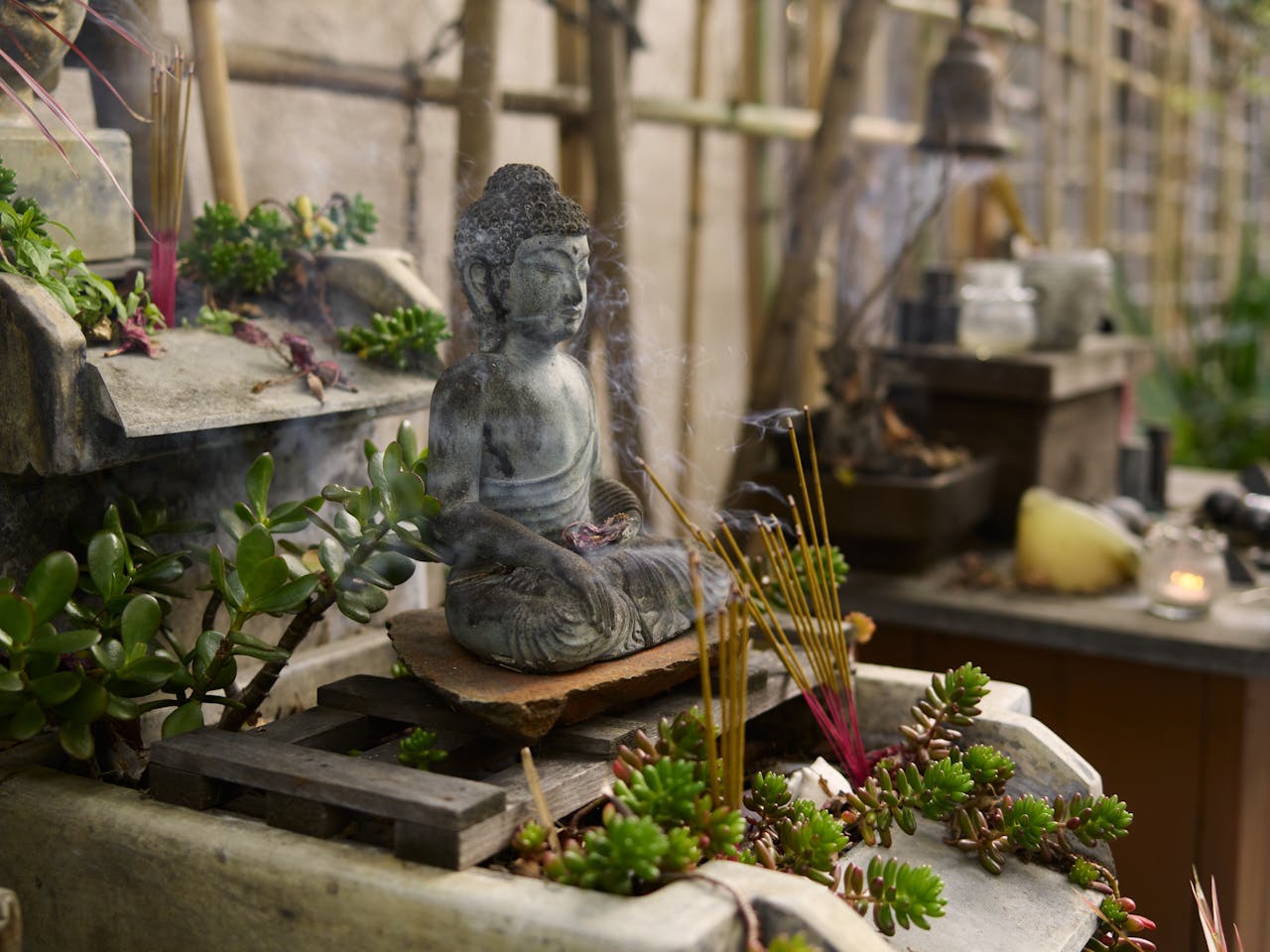
Japanese altars are a place to connect with yourself, to pray to spirits and god, and ancestors. They have clean lines, meaningful items and elements of nature. Some use water for reflection and flow, calligraphy, sound bowls, figures, incense and items belonging to ancestors. Often shrines are placed outside.
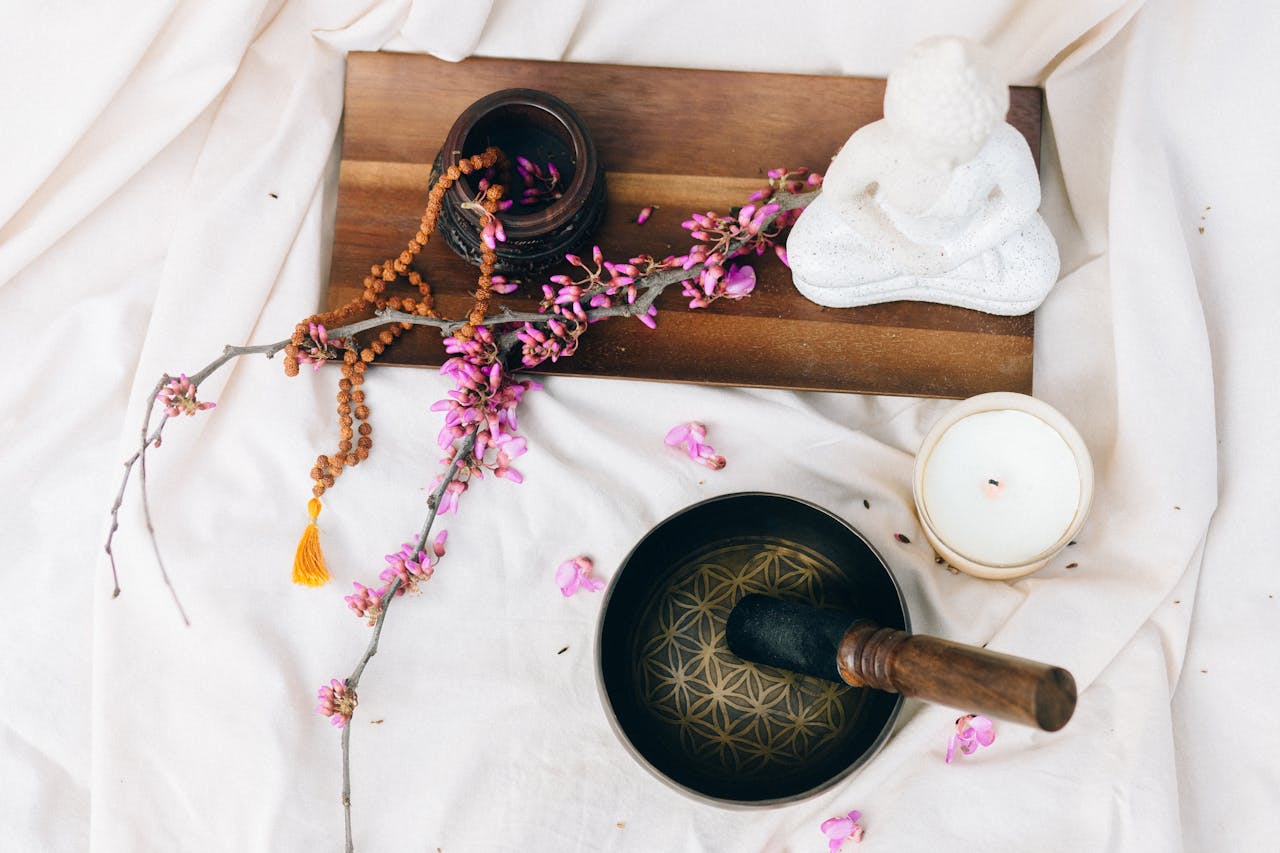
Elements of a Japanese altar
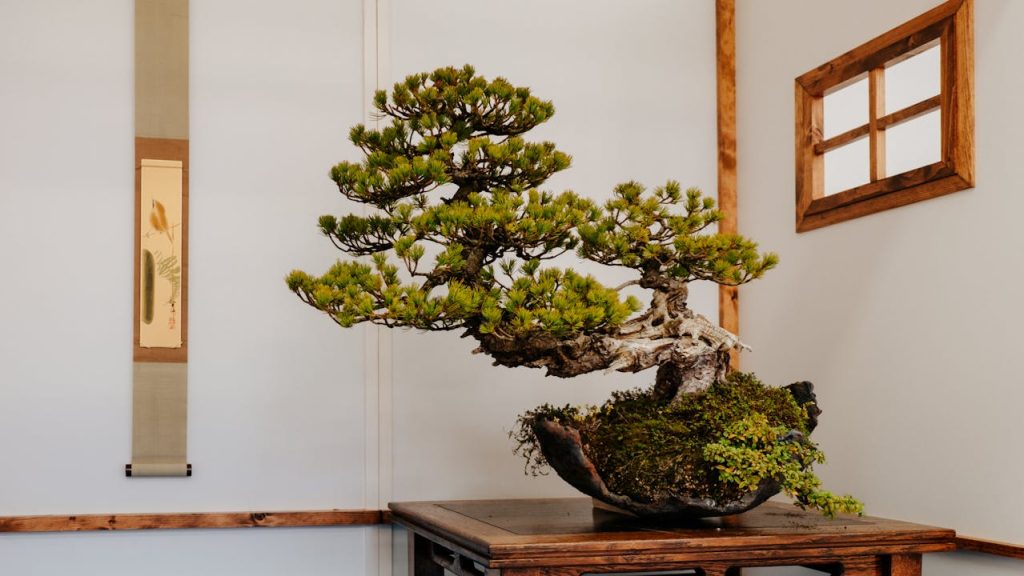
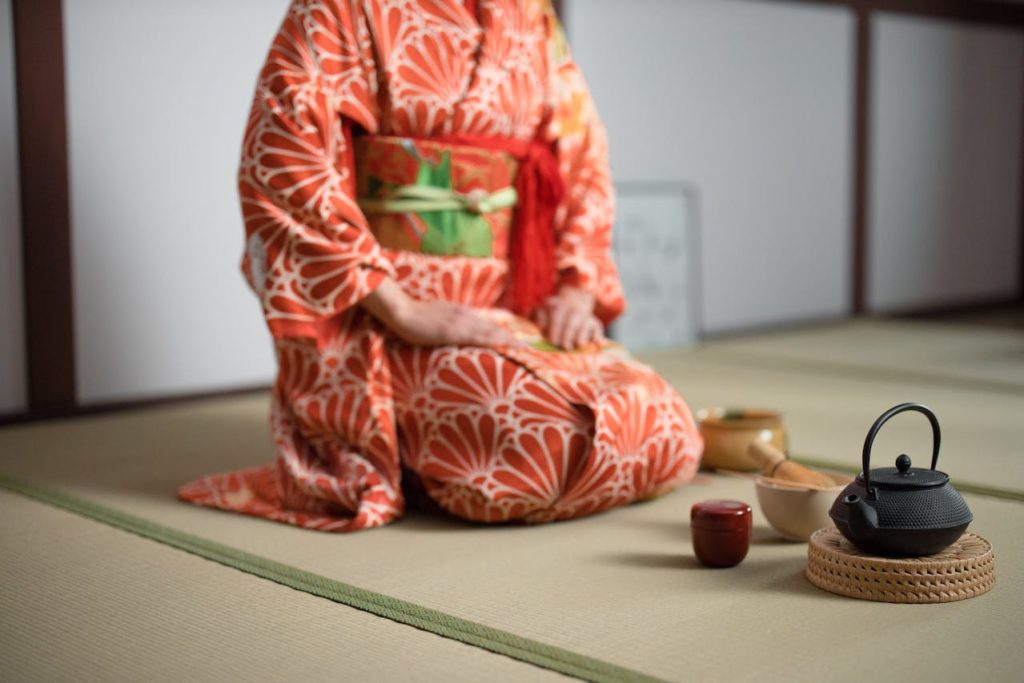
There are two types of Japanese home altars: kamidana (shinto) – a god shelf used for daily worship of kamis (spirits) and for protection; and butsudan (Buddhist) cabinets to honour ancestors.
Japanese altars are used to cultivate a daily connection to the spiritual world, to honour ancestors, and to bring a sense of peace, harmony and gratitude to the household. They are places of calm, quiet reflection and divinity. Typical elements include:
Ofuda – slip of paper, believed to be imbued with the protection of spirits. They are placed on altars to bring safety, good health and fortune to the family.
Daily offerings like water, rice or sake. They represent gratitude and an ongoing relationship with spirit.
Candles represent light or wisdom in darkness.
Incense is a sensory bridge to the divine.
Plants represent the energy of the kamis.
Flowers represent impermanence and serve as a reminder to residents of their mortality.
Japanese Muse
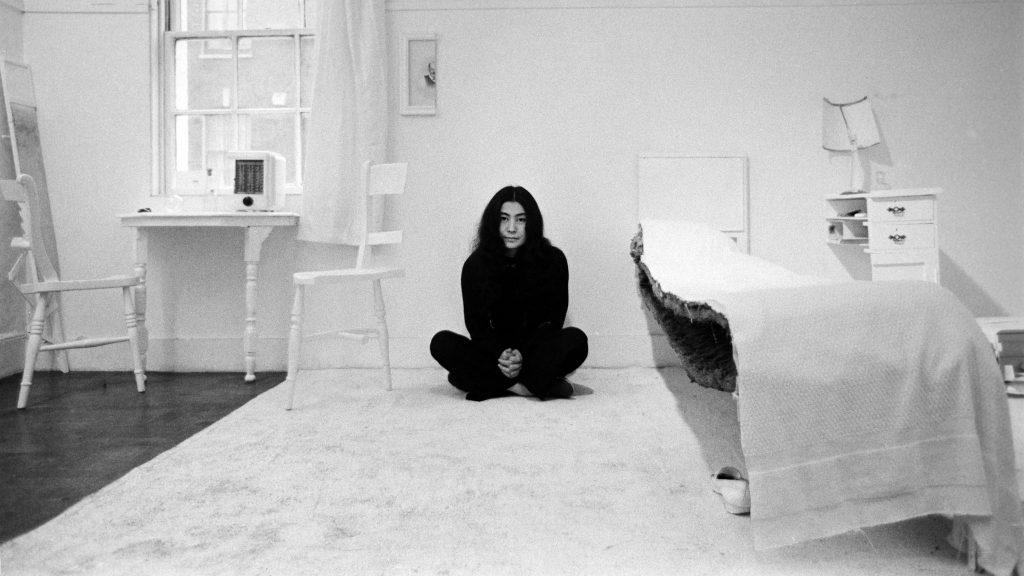
Yoko Ono was born in Tokyo in 1933. She moved to New York in 1952 and later became part of the artist scene. In 1969 she married John Lennon and became a successful musician. As an artist she was known for her conceptual and performance art, and experimental art.
Ono’s spiritual beliefs imbued everything. She fused Christianity, Buddhism and a belief in the soul in all things. Through her art she promoted peace, shifts in consciousness, and the power of imagination. She often referred to her art as spells cast to connect the viewer to their power or the universe. She used altars constantly such as with The Wish Tree, My Mommy is Beautiful, and Earth Peace. Yoko Ono put soul into everything and gave us a divine vision of a world of peace, hope and unity.
Create a Japanese Style Altar
Choose a place in your home that can easily be kept clean and tranquil – this can be a shelf or a specially made table or cabinet.
Bring in the following elements:
Something that honours your ancestors – this could be a collage of photographs, or a family heirloom, choose something that connects you to the essence of them and brings their spirit alive.
Something from your past that holds a part of you that is special – for example I have a stone I found years ago on a Scottish island that reminds me of travel, self-reflection, synchronicity, and curiosity in strangers.
A water element and a candle. Incense or an oil burner.
Flowers to add colour and a sense of impermanence.
An item that inspires prosperity.
A plant to connect you to nature — keep it healthy and vibrant.
A spiritual quote to inspire you (write in Japanese calligraphy to be traditional)
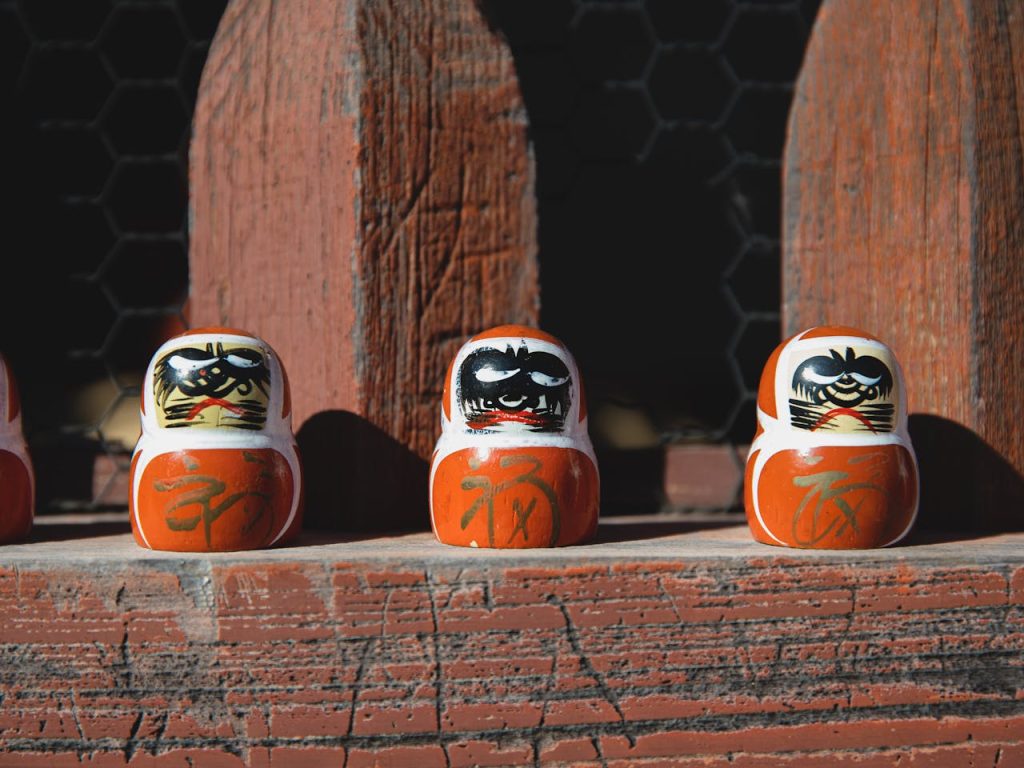
A Daruma Doll to help you complete projects.